
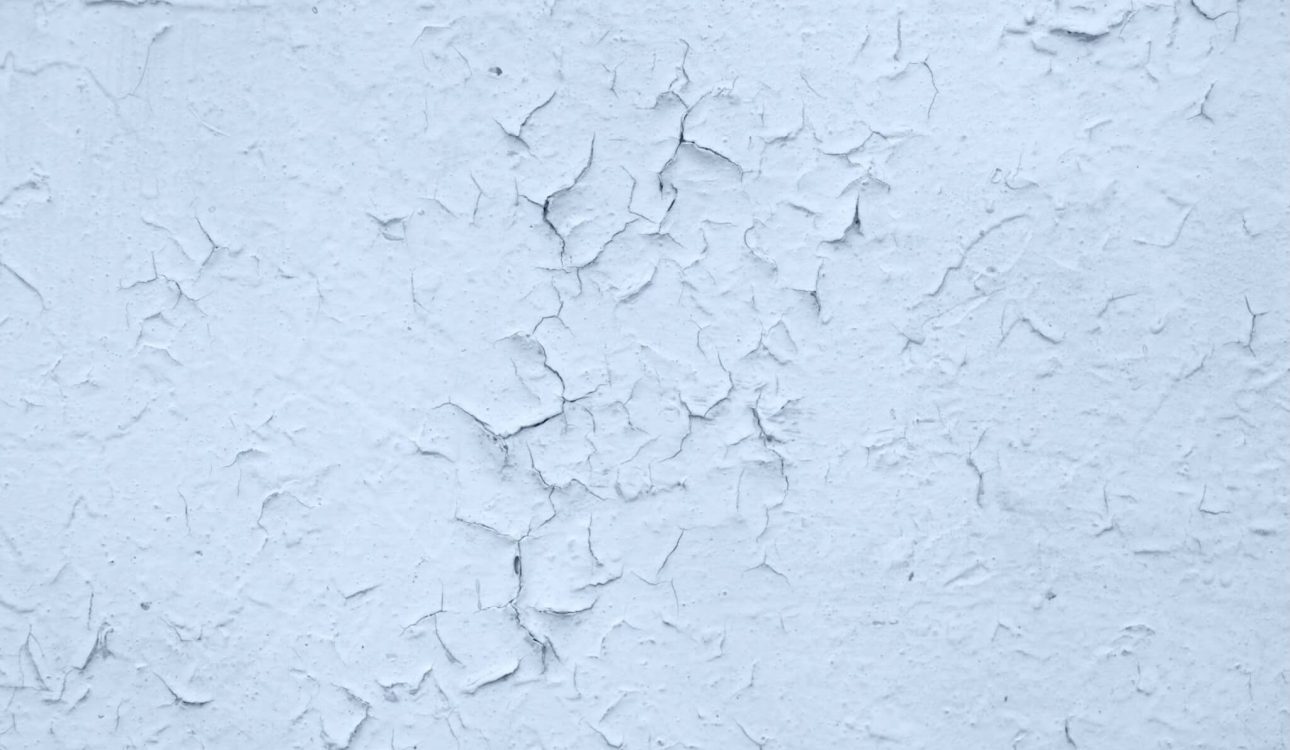

Quick Answer: Paint bubbles and peels when moisture gets trapped behind non-breathable paint films, creating pressure that forces the coating away from walls. Repainting without fixing moisture sources just repeats the cycle.
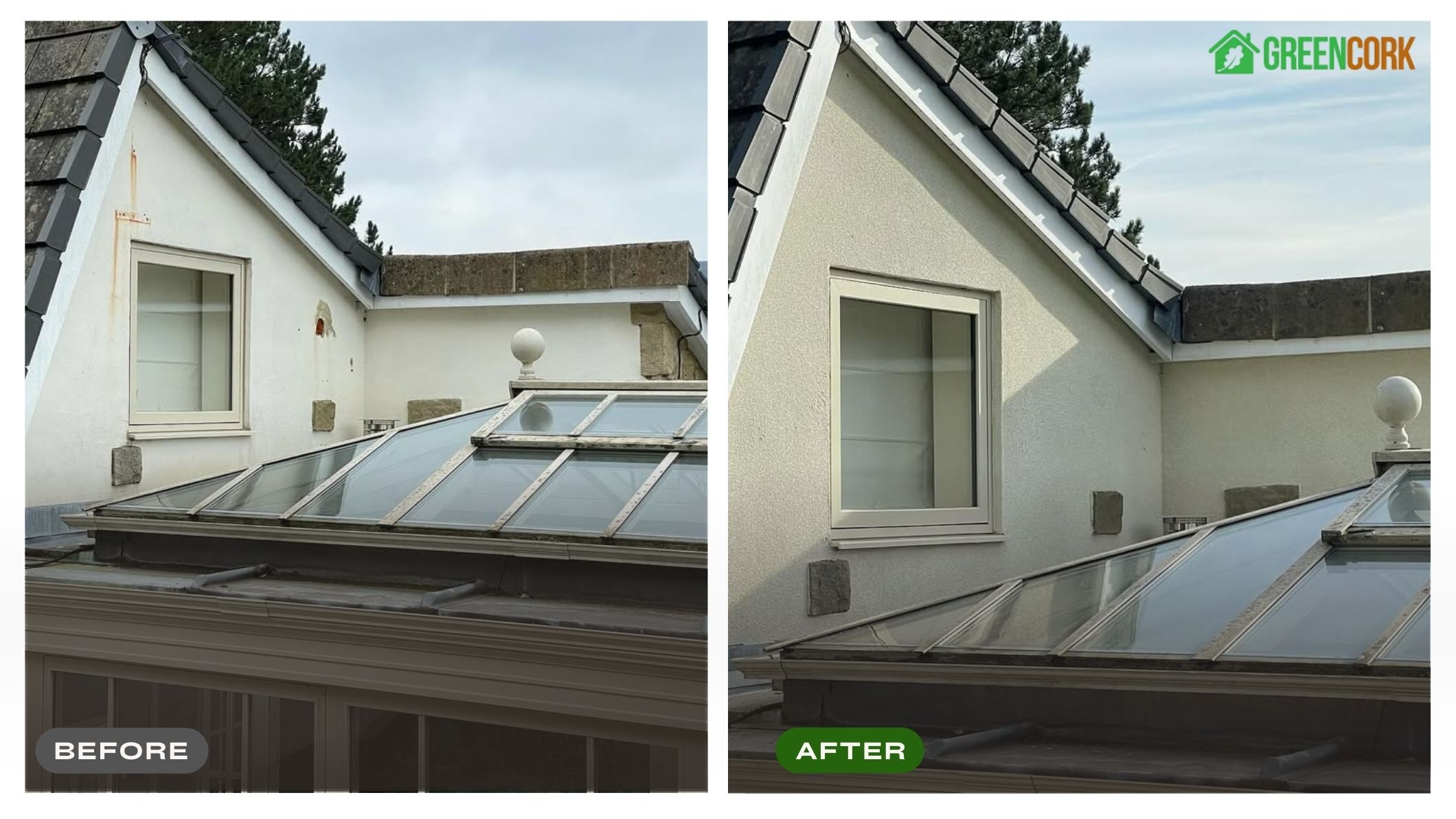
It has nothing to do with paint quality or your technique. It’s that trapped moisture fighting its way out through the only exit available (your paint film). Repainting alone never solves the problem when moisture is involved.
You need to understand why bubbling paint and peeling paint on walls keep returning in UK homes, why conventional solutions fail, and what actually works long-term to break the cycle permanently.
Key Takeaways
- When water vapour gets trapped behind non-breathable coatings, pressure builds until adhesion breaks, creating the bubbles and peeling you see on walls.
- Conventional masonry paint creates impermeable barriers that trap moisture, guaranteeing the same failure pattern within months.
- Vapour-permeable materials like spray cork allow moisture to escape naturally whilst protecting walls from weather, ending recurring paint failure for good.
What Causes Bubbling Paint and Peeling Paint on Walls
Moisture trapped behind non-breathable paint films creates pressure that literally forces paint away from walls. It’s physics, not bad luck.
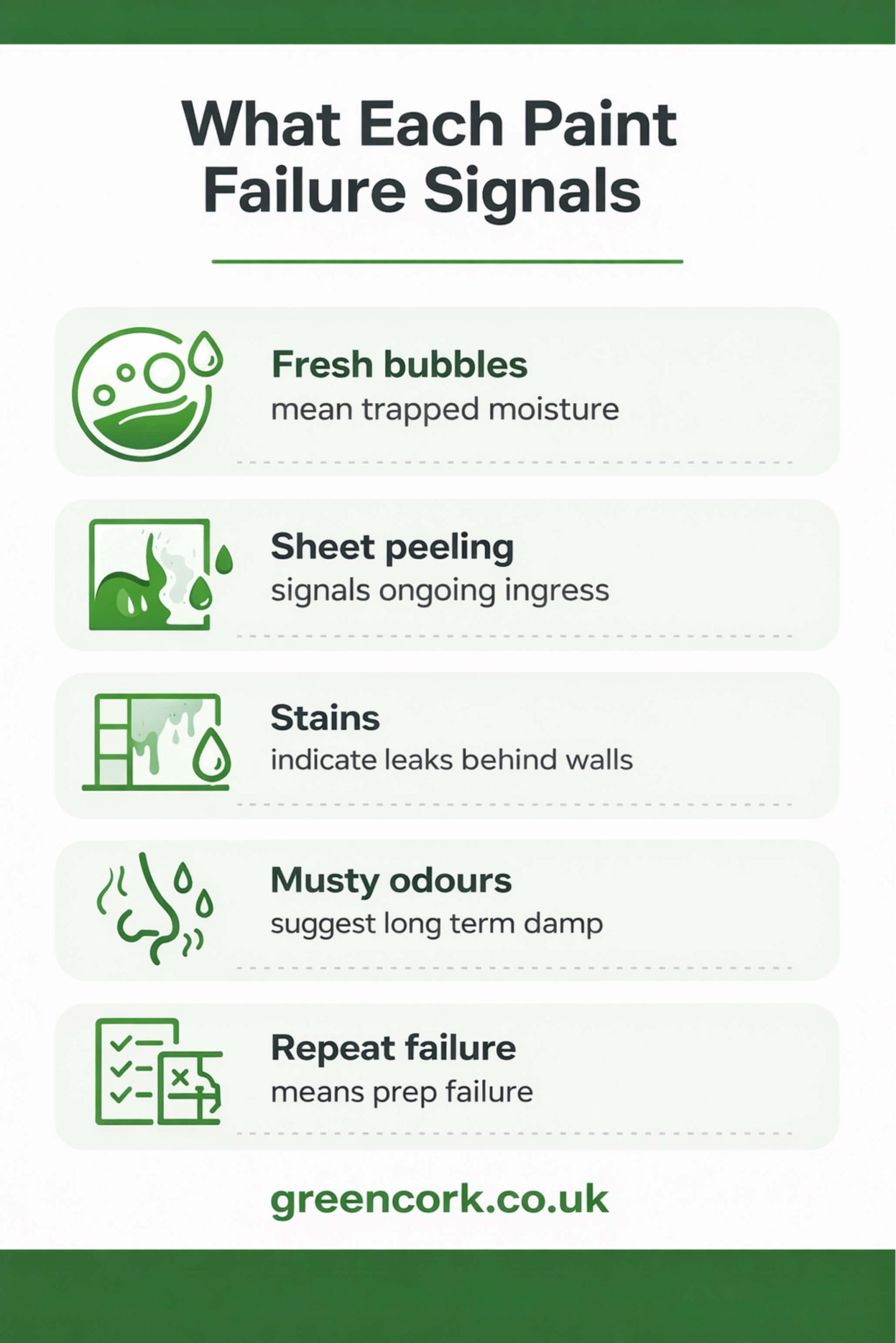
When water vapour can’t escape through your paint coating, it accumulates behind the film. Pressure builds. Eventually, that pressure overcomes the paint’s adhesion to the wall surface. Bubbles form first, then the paint peels away in sheets.
Three main moisture sources plague UK homes.
- Condensation: warm, humid air hits cold surfaces, causing moisture to form on walls and soak into the substrate
- Rising damp: groundwater rises through walls by capillary action, affecting lower wall areas and causing tide marks, salts, and damaged plaster
- Penetrating damp: rainwater enters through external defects like cracked render, faulty gutters, damaged brickwork, or roof tiles
According to the English Housing Survey, around 904,000 homes in England reported damp problems in 2021. These damp conditions often result in ongoing paint problems as moisture continues to affect wall surfaces.
Why Simply Repainting Doesn’t Work
It’s because moisture is still present or entering the wall, so new paint fails in exactly the same way as the old.
Bubbling, peeling, and frustration return because the moisture source is not fixed, and non-breathable paint is used again.
Conventional masonry paint traps moisture inside the wall. Pressure builds as vapour tries to escape until adhesion fails and the paint is pushed off the surface. The cycle repeats over and over. Even with excellent preparation, paint will not last.
Lasting results require managing moisture and using breathable coatings that allow vapour to escape.
Research has estimated that about 75 – 80 % of building envelope problems arise from moisture issues such as condensation and damp ingress, with effects ranging from structural damage to surface finishes.
Moisture-related paint failure is widely recognised as a visible symptom of these deeper issues.
How Breathable Coatings Work Differently
Breathable coatings work by allowing moisture vapour to pass safely through the surface instead of trapping it inside the wall. This prevents pressure buildup that causes bubbling and peeling.
Vapour escapes naturally through the coating’s porous structure, breaking the failure cycle and allowing walls to dry as intended. This approach aligns with BS 5250:2021, which provides UK guidance on managing moisture in buildings and recommends vapour-permeable materials to avoid the moisture-related failures common with conventional paints.
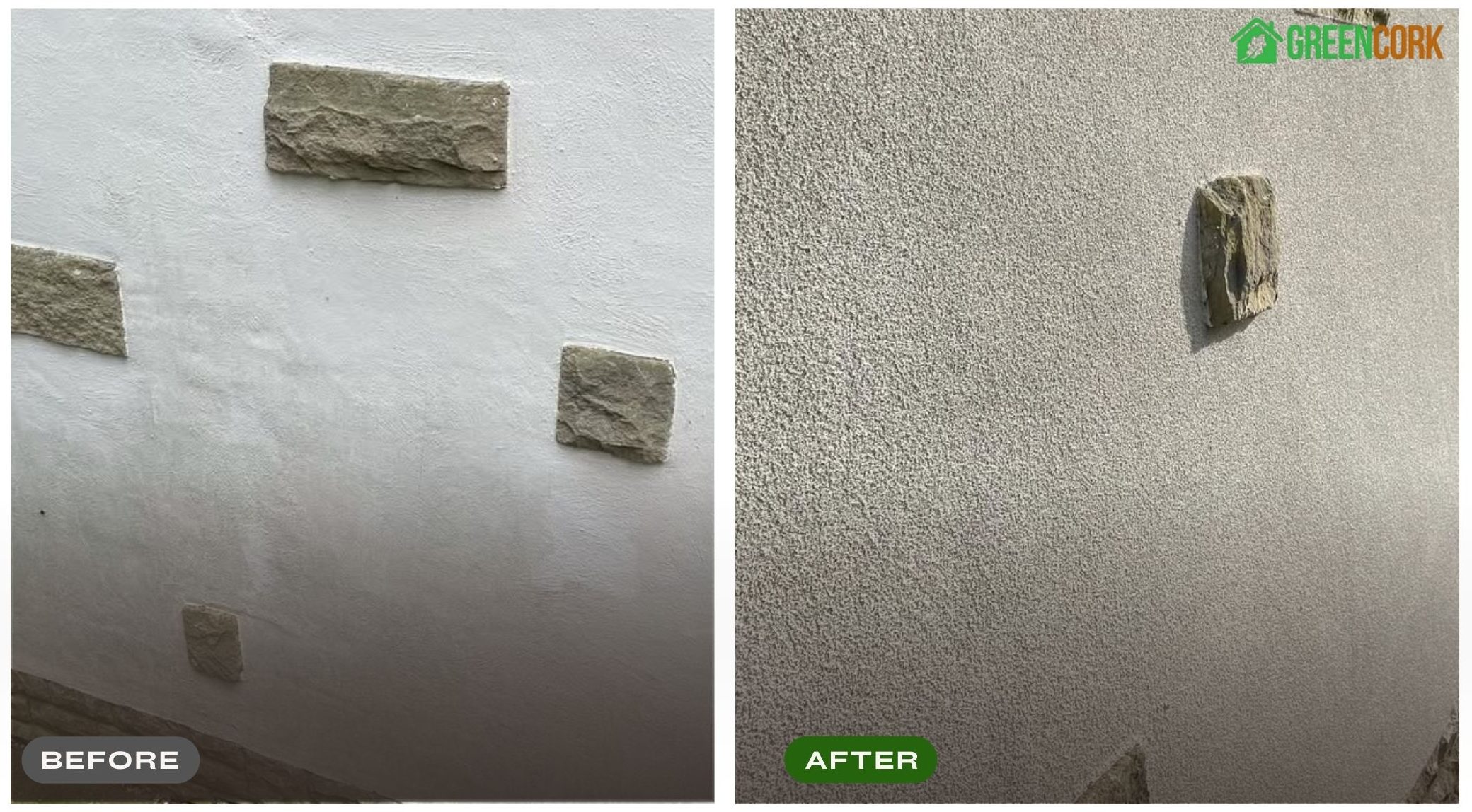
Spray cork goes further by combining breathability with weather protection. Made from natural cork in a breathable resin, it lets walls release moisture while repelling rain. It stays flexible, resists cracking, and suits older UK buildings that need walls to breathe, not be sealed.
Fixing the Root Cause Before You Coat
No coating (breathable or otherwise) will perform well if active water ingress continues unchecked. You must address moisture sources before applying any protective finish.
Identify Your Moisture Source
Before any coating is applied, moisture levels must be stabilised. That means confirming the wall is drying, fixing external defects, improving ventilation where needed, and allowing sufficient drying time.
Coatings protect surfaces, they do not stop active water movement.
Watch for warning signs like musty smells, walls that feel cold and damp to touch, peeling wallpaper, and black mould growth (especially in corners or behind furniture where air circulation is poor).
Address Structural Issues First
Once the moisture source is identified, the next step is fixing the physical defects allowing water to enter or remain in the building fabric.
These issues must be resolved before any coating system can succeed.
- Rising damp should be tackled by inspecting the damp proof course and ensuring it is intact and effective. Ground levels must sit below the DPC, as soil or paving built up against walls can allow moisture to bypass it completely.
- Penetrating damp requires external repairs. Cracked render, damaged brickwork, leaking gutters and downpipes, and broken roof tiles all create direct water entry points that must be sealed before internal finishes can perform reliably.
- Condensation is addressed through ventilation and moisture management. This includes using extractor fans, opening trickle vents, reducing indoor moisture generation, and maintaining steady background heating.
Only when these structural and environmental issues are resolved can a coating be expected to last and perform as intended.
Long-Term Solutions for Peeling and Bubbling Paint
Once you understand the problem and root causes, complete long-term solutions become straightforward. The framework is simple: fix the moisture source, plus use a breathable coating, equals lasting results.
Here’s the complete solution pathway broken down into manageable steps:
| Stage | Actions Required | Why It Matters |
|---|---|---|
| Structural Repairs | Repair DPC, seal cracks, fix gutters, improve ventilation | Stops moisture entering or building up within the structure |
| Surface Preparation | Remove loose paint, clean walls, fill defects | Creates a stable, clean base for coatings to adhere properly |
| Drying Period | Allow walls to dry as much as reasonably possible | Reduces the risk of trapping moisture behind finishes |
| Coating Selection | Use breathable or cork-based coatings | Allows moisture vapour to escape while protecting the wall |
| Application | Apply correctly and allow proper drying between coats | Ensures long-term performance and durability |
When all these steps are followed, the difference between short-term fixes and true long-term performance becomes clear.
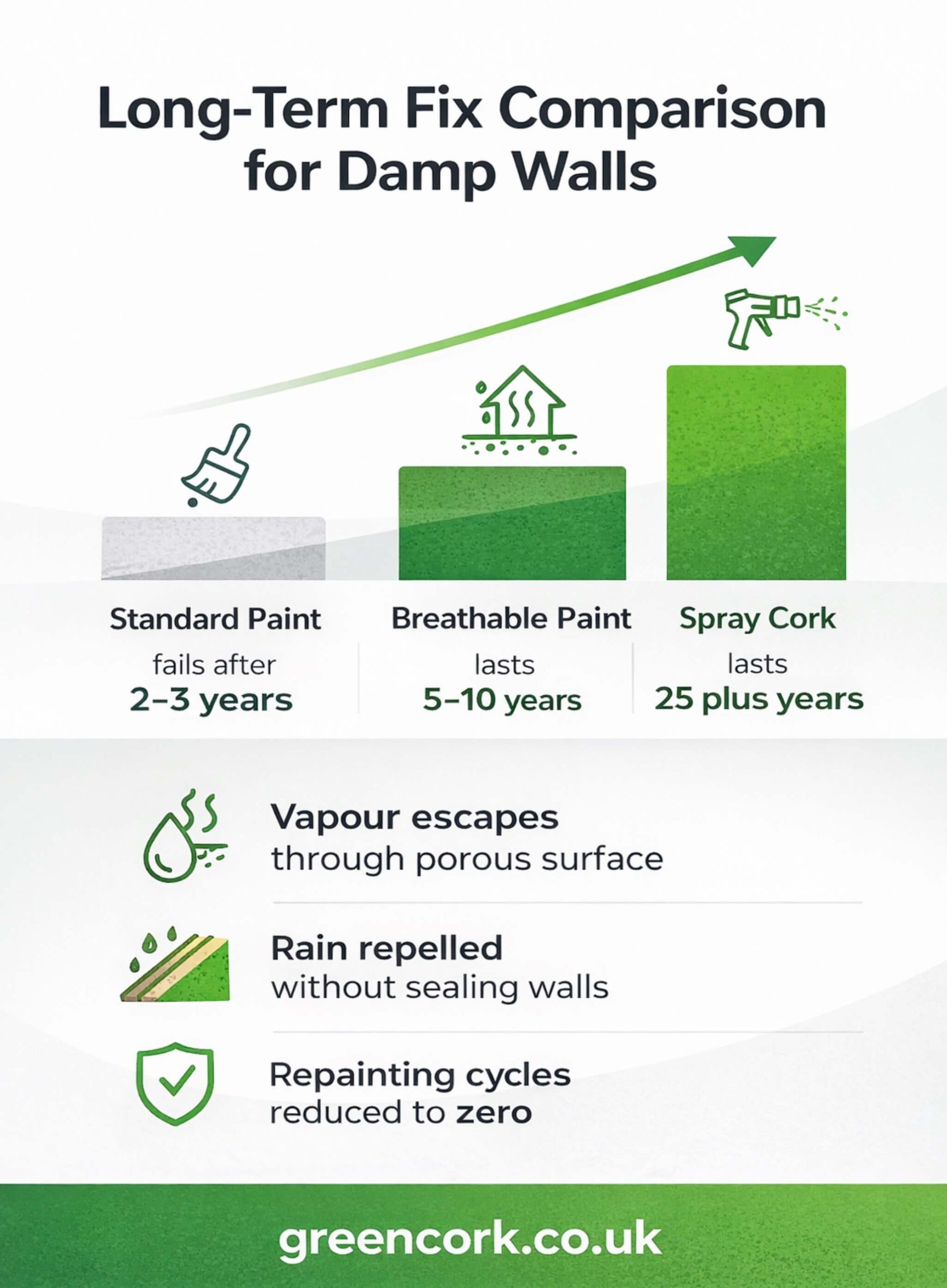
Breathable paints improve vapour movement, but they still rely on thin film protection and regular maintenance.
We use spray cork because it goes further by combining vapour permeability with water resistance, flexibility, and insulation in a single system. It manages moisture rather than fighting it, adapts to building movement, and protects walls from future weather exposure.
We solve the paint failure problem because our spray cork system manages moisture at the wall surface rather than trying to seal it in. That same approach is why we use cork internally, creating moisture-resistant wall finishes that stay stable, improve comfort, and do not rely on repeated repainting.
That combination is what breaks the repainting cycle entirely, making spray cork the most reliable long-term solution for peeling and bubbling paint in damp-prone UK properties.
Conclusion
Repainting will not fix bubbling or peeling when moisture is the real issue. Standard paint traps damp and fails again. The fix is controlling moisture and using coatings that let walls breathe.
When paint keeps failing, it is usually a damp problem. Our spray cork system allows moisture out while protecting the surface, giving walls a far more reliable long-term finish.
Get a free quote today and find out how we can help you turn your damp-prone walls into healthy, long-lasting surfaces that finally stay decorated.
FAQs
Can you paint over bubbling paint?
You can scrape and repaint, but without fixing the moisture source and using breathable paint, the bubbling will return. Proper preparation and moisture control are essential for lasting results.
Why does paint bubble in one room but not others?
Moisture levels vary by room. Bathrooms, kitchens, and external walls experience more humidity, condensation, and cold surfaces, making paint failure more likely in those areas.
Will dehumidifiers stop paint from peeling?
They can help reduce condensation, but they do not fix rising damp, penetrating damp, or structural moisture. Dehumidifiers support moisture control but are not a complete solution.
How long does breathable paint last compared to normal paint?
Breathable paints typically last longer on damp-prone walls, often 5–10 years, while standard paint may fail in 2–3 years. Spray cork can last 25+ years.
Is spray cork better than anti-damp paint?
Yes. Spray cork manages moisture, repels rain, improves insulation, and lasts far longer, making it a more complete long-term solution.
