
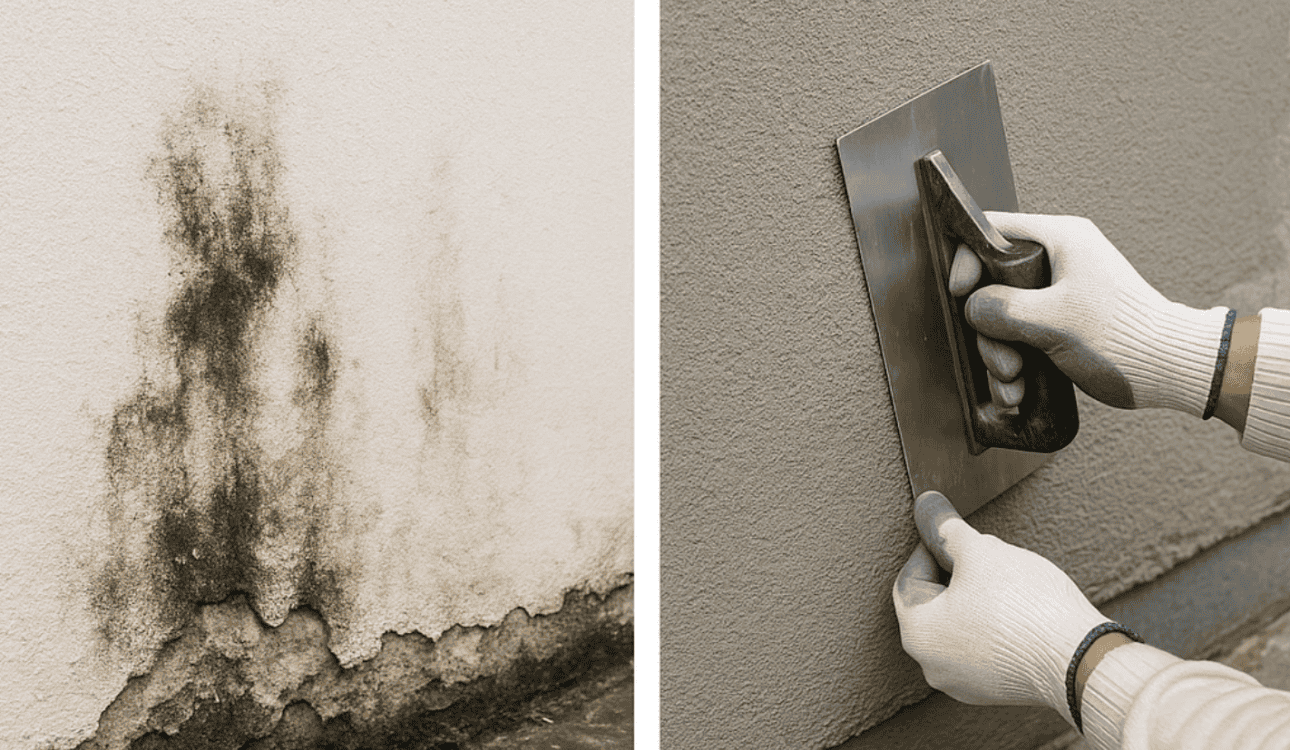

Many homeowners and businesses will want to know, can render stop damp from appearing in their property? Render can certainly play a part in helping protect against damp but it does not always solve the cause of the issues. Knowing how render works and what type of render to use is important before starting any project.
Some types of render are designed to repel water while others may trap moisture and can make damp worse over time. It is also important that render is installed and maintained properly so that damp does not find its way in through cracks or gaps.
This guide aims to answer the question of whether render can stop damp. GreenCork Ltd is happy to share our knowledge and expertise having spent more than 20 years providing rendering services. We aim to share this information with you so that you can make an informed decision when it comes to rendering your property.
Key Takeaways
- Render can help stop damp, but it is not always a final solution.
- The type of render and correct application are important for preventing damp.
- Good installation and maintenance help avoid future damp problems.
Can Render Stop Damp?
Render has many benefits, including the ability to help fight against dampness in a property. Render can help reduce some types of damp but it does have its limits. The results depend on the cause of the damp and the type of render used.
How Rendering Works to Stop Damp
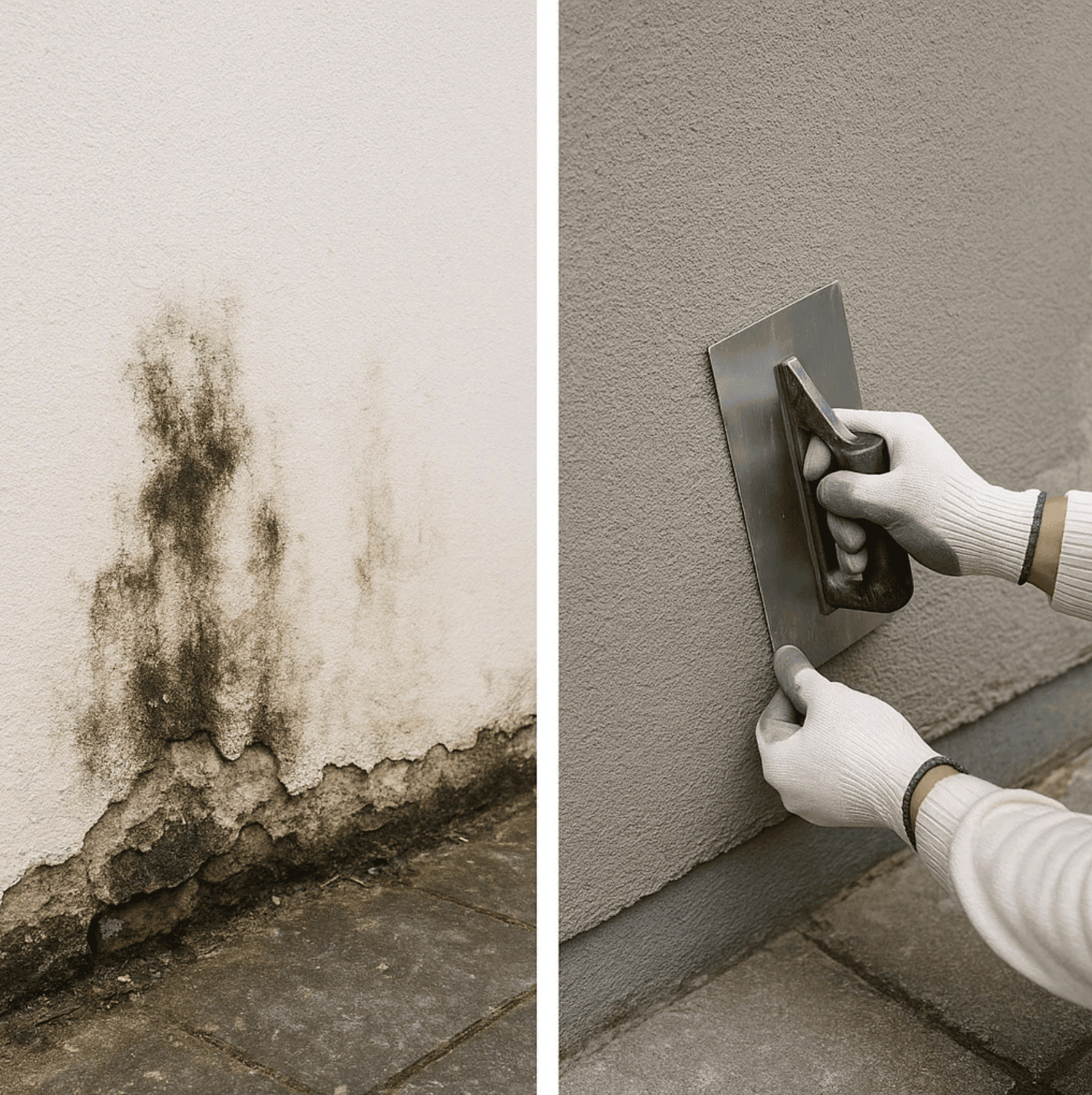
Rendering is the process of applying a layer of cement or an acrylic based mixture to the external walls of a building. This layer acts as a protective barrier between the wall and the weather. It can help keep rain and moisture from penetrating the surface of a wall. It is important to try to prevent damp in a home or business as there are a number of associated risks of damp in a property. Further information can be found on the government’s advice on living with damp.
A professionally applied render fills in cracks and covers weak spots that could allow water in. If the render is kept in good condition the water is less likely to soak into the bricks and mortar and cause damp in the property.
Key points:
- Acts as a physical barrier
- Reduces risk of rain penetration
- Needs regular maintenance to stay effective
- Damaged or cracked render can let water through and even make damp problems worse if not fixed quickly.
Types of Damp Helped by Render
Render is most effective against penetrating damp. Penetrating damp occurs when water can get in behind an outside wall. This is usually caused by bad pointing or old and damaged walls. A solid render free from cracks and imperfections can keep rain out and lower the chance of penetrating damp.
Small table showing the types of damp:
| Damp Type | Can Render Help? |
|---|---|
| Penetrating damp | Yes |
| Rising damp | No |
| Condensation | No |
Render is not made to stop rising damp or condensation. Rising damp moves up from the ground and into bricks and then the building. Condensation is caused by moisture in the air inside the house. These problems need different solutions.
Limitations of Render for Damp Issues
Render cannot solve all damp issues. If there are cracks or gaps in the render or it has been poorly applied, water can still get in.
Old or damaged render can trap moisture inside the wall,which may make damp worse.
Limitations to be aware of:
- Only works for weather related damp from outside
- Will not stop water from the ground or from inside
- Needs good preparation and regular checks
Choosing the Right Render for Damp Protection
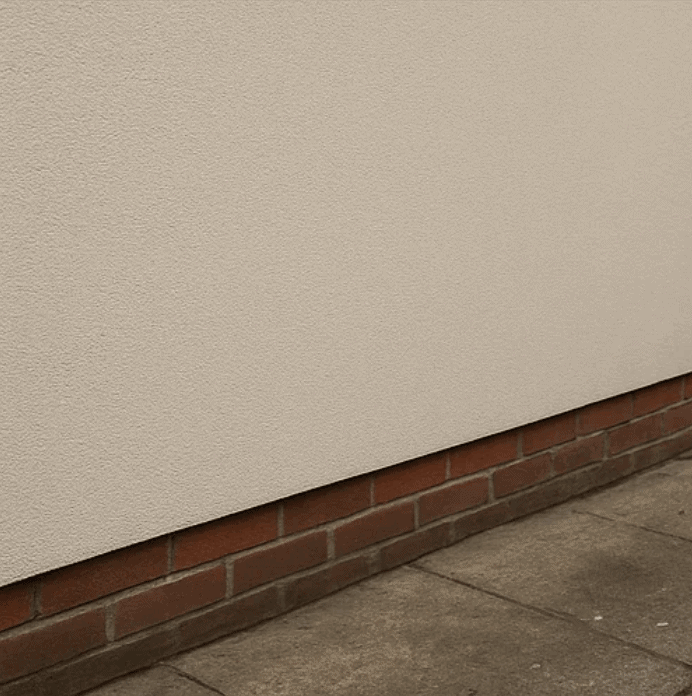
Selecting the correct type of render is important when trying to stop damp in walls. The properties of each render dictate how well it keeps out moisture while still allowing walls to breathe.
Cement Render vs. Monocouche Render vs. Silicone Render
Cement render is strong and affordable but not very flexible. It can crack if the wall moves which in turn can allow water in. Cement render is not breathable. This means it can trap any moisture that does get behind it. For more information on the different types of render, please read our guide on How Much Does Rendering Cost here.
Monocouche render is a modern render applied in a single coat. It offers better flexibility and breathability than cement render so it is less likely to crack. While not as breathable as silicone render monocouche render is a good balance of performance and ease of application. It also saves time and labour because it doesn’t need painting. More information on monocouche render can be found here in our guide on What is Monocouche Rendering?
Silicone render is highly flexible, breathable and repels water. It can move with the building so it is resistant to cracking and allows moisture to escape from the wall. This makes it ideal for both old and new buildings in wet climates. Silicone render is also available in many colours and has a smooth, sleek finish. To read more information on silicone render, please read our guide on What is Silicone Render.
Breathable and Waterproof Renders
Not all renders offer the same amount of breathability or waterproofing. A render should be breathable enough to let moisture escape from the wall. This reduces damp risk. Modern silicone based renders fit this description well.
Waterproof renders will not solve damp problems if they don’t also allow the wall to breathe. Waterproof but non-breathable renders like pure cement render can trap moisture behind the wall surface. This can lead to more damaging damp inside the wall.
Modern products like silicone render claim to be both waterproof and breathable. Choosing a render with clearly stated vapour permeability helps ensure better damp protection than just relying on waterproof labels. Checking specifications before use can prevent future issues.
Installation and Maintenance Considerations
Proper render installation is vital for the render to work as a barrier. Regular checks and maintenance work can help identify small issues before they become bigger problems.
Best Practices for Render Application
The surface must be clean and dry before applying render. Any loose paint or debris should be removed. Cracks or damage in the wall should be repaired first and using the appropriate fillers or sealants.
It is important to use the right type of render for the wall material. The render application should be even and the correct thickness. This is usually 10–15 mm in total. If applied too thin the render can crack. If too thick, the render may not bond well to the wall.
All edges and joins should be carefully sealed. This reduces the risk of water getting behind the render. It is also best to avoid rendering in very cold, hot or wet weather. Weather can affect how well the render dries and bonds.
Ongoing Maintenance and Inspection
Rendered walls should be checked regularly for cracks, damp patches or hollow spots. These can let in water if left untreated. Inspect around vulnerable points such as doors, windows and at the base of the wall.
Small cracks can often be filled with a flexible sealant or suitable patch render. Larger damaged areas may need professional repair. It is important to clear gutters and downpipes regularly as leaks can cause water to get behind the render. Vegetation growing close to the wall should also be trimmed back as roots and stems can damage the surface.
A maintenance schedule can help keep track of inspections and repairs:
| Task | Frequency |
|---|---|
| Visual inspection | Every 6 months |
| Gutter cleaning | Twice a year |
| Vegetation trimming | As needed |
| Minor repair work | When detected |
Regular care helps prevent moisture getting into the wall through gaps in the render. Early action reduces the need for costly repairs later.
Frequently Asked Questions
Damp can cause damage to walls and reduce comfort inside homes. The use of render and other methods can help manage or limit damp problems but it is important to understand what works best and why.
How can I stop damp from penetrating external walls?
To stop damp getting into outer walls good maintenance is key. Check for cracks or gaps in the render and fix them quickly. Using a high-quality and weather-resistant render gives better protection. Installing or updating roof gutters and drainage also keeps water off the wall surfaces.
Is it possible for water to get through rendered surfaces?
Water can still pass through some renders, especially if they are not applied correctly and crack. Poor quality or old render may let water in. Regular checks and repairs help keep the render watertight. A professional render application with proper materials lowers the chance of water getting through.
What is the effectiveness of damp proofing in internal rendering?
Internal render with damp-proof additives can help manage moisture inside. It can act as a barrier for mild damp but is less effective if the root cause is not fixed. For severe damp issues, render alone will not solve deep-seated damp problems.
Can damp issues be stopped by applying render to walls?
Applying render may help reduce surface damp by blocking some water and slowing its movement. If the wall is already dampthe render will not cure the existing problem. Proper wall preparation and repairing any underlying issues are important.
Does the process of rendering contribute to improved thermal insulation in a home?
Rendering on its own offers little thermal insulation. Some types like external wall insulation render systems add insulation during the process. For better warmth, choose systems that combine render with insulation boards or special additives. Regular cement render does not make a big difference to heat loss.
What measures are available to render a damp wall effectively?
Treat the cause of the damp first, such as fixing leaks or faulty gutters. Let the walls dry before applying any render. Use breathable, waterproof renders to allow moisture out while stopping more from coming in. Specialist damp-proof renders are often chosen for these cases.
Contact GreenCork Ltd Today
This article has explored how effective render can be in the fight against damp. If you are still unsure or have any further questions, we are always happy to be of assistance.
If you are based in Leeds or West Yorkshire and the surrounding areas, please reach out today! We will happily conduct a site visit free of charge and will provide you with a detailed cost breakdown for your project. Contact us to get yours booked in.
