

Microcement vs Polished Concrete: Which Is Better for Your Home?
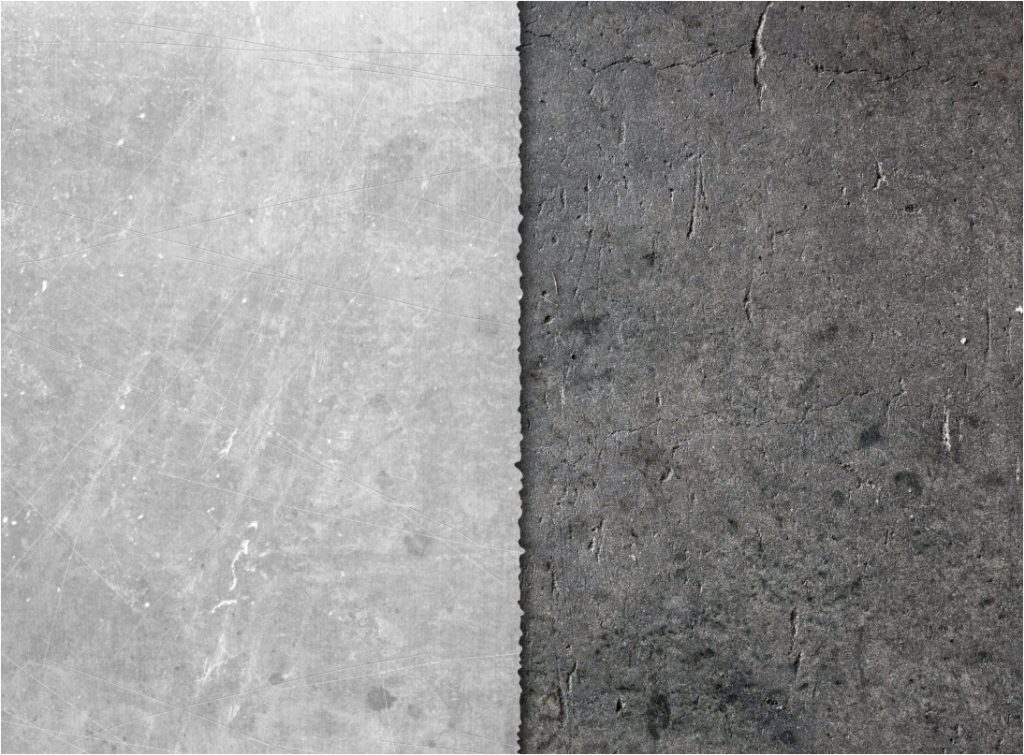
Quick Answer: Microcement is a thin 2–3mm coating that can be applied over suitable existing floors, while polished concrete relies on a substantial concrete slab and suits new builds or major structural renovations. Microcement and polished concrete can both create a smooth, contemporary floor, but they are built in very different ways. Microcement is applied […]
Microcement for Homes: Is It the Best Choice for Your Project?
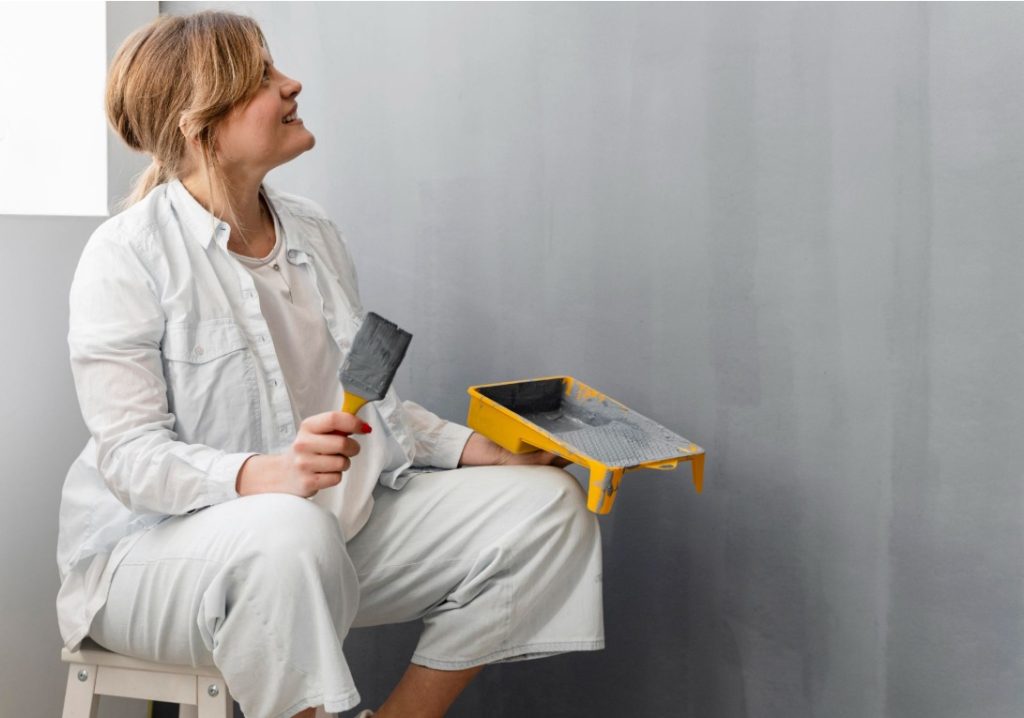
Quick Answer: Microcement is a thin, seamless coating for floors, walls and worktops, including kitchens and bathrooms. Its suitability depends on the surface condition, proper installation and the maintenance required. Microcement is a popular choice for UK homeowners wanting a clean, contemporary finish without removing existing surfaces. It can be applied over suitable floors, walls […]
Why Older Homes Overheat and How to Improve Thermal Comfort

Quick Answer: Older homes can overheat when later alterations reduce ventilation, increase solar heat gain or isolate the thermal mass of solid walls. Better shading, ventilation and carefully chosen insulation can improve comfort. Older homes were not necessarily designed to become hot in summer. Many were built with thick solid masonry that could absorb heat […]
Microcement vs Traditional Finishes: Which Surface Is Right for Your Home?

Quick Answer: Microcement is a great choice if you want to update existing surfaces with minimal disruption. Traditional finishes are better if you want the look of real stone, timber or tiles. The right option depends on your home, your budget and the finish you want to achieve. A home renovation often begins with a […]
Can Solid Wall Insulation Keep Your Home Cooler in Summer?
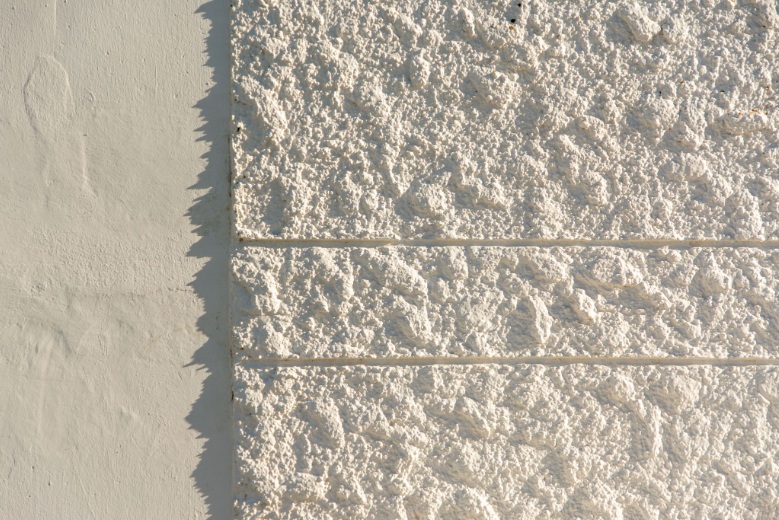
Quick Answer: Solid wall insulation can improve summer comfort, but placement matters. External insulation helps regulate indoor temperatures, while internal insulation needs good ventilation and shading to reduce the risk of overheating. As energy bills remain high, many homeowners install solid wall insulation to stay warmer during winter. But with UK summers becoming hotter, comfort […]
Best Microcement Finish for Different Areas of Your Home
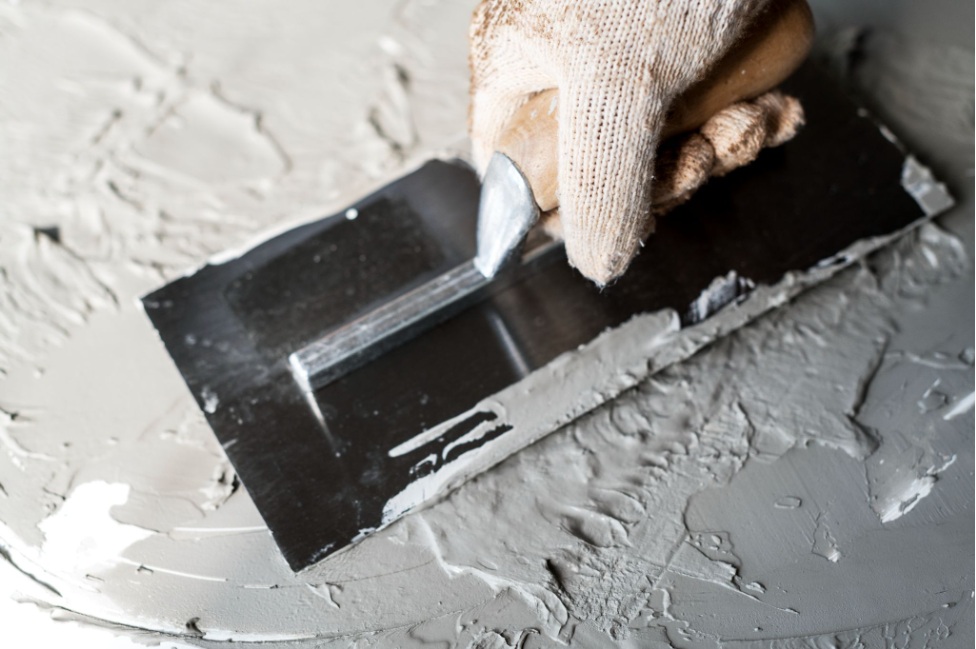
Quick Answer: Aqua Quartz suits bathrooms, wet rooms, and busy kitchens. Nature works best in smooth, contemporary living spaces. Microconcrete delivers a more textured, industrial look for rooms where visual character takes priority over moisture control. Every room places different demands on a microcement surface. A bathroom, hallway, and kitchen all deal with different levels […]
Microcement vs Tiles: Which Is Best for Your Home?

Quick Answer: Microcement is a thin, continuous coating often applied over existing tiles with minimal build-up. Tiles remain a proven repair-friendly option for wet areas. The choice between microcement and tiles goes beyond style. In UK bathrooms and wet rooms, moisture control, slip resistance, and substrate condition matter as much as the finish itself. The […]
How Much Does Microcement Cost? Microcement Cost UK Per m²
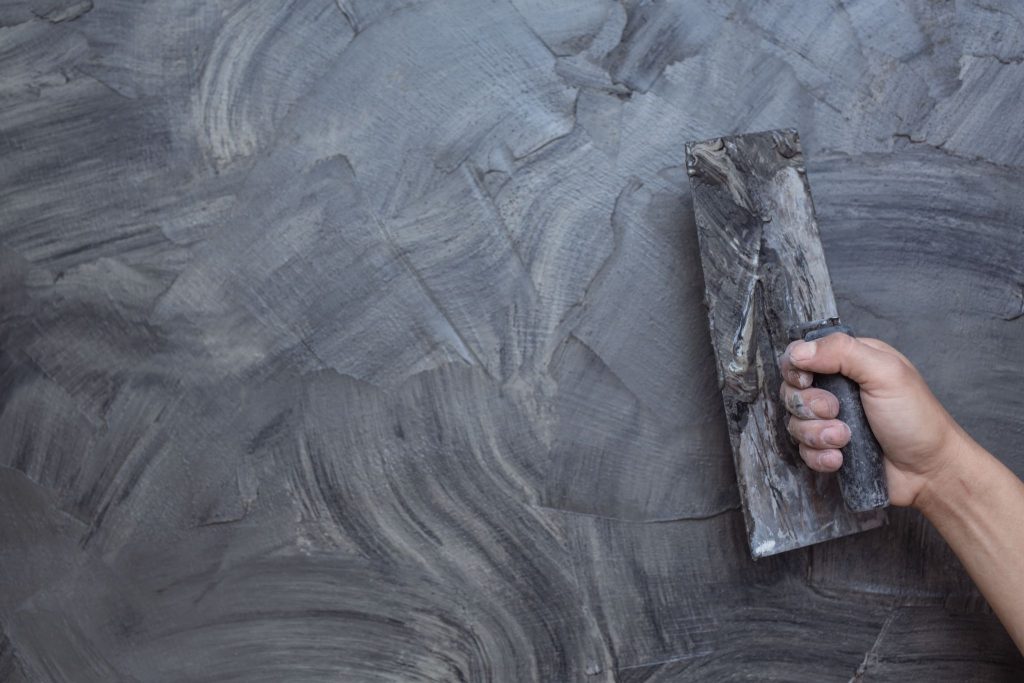
Quick Answer: Microcement usually costs around £85 to £170+VAT per m² in the UK. Though the final price depends on substrate condition, preparation, waterproofing, slip resistance, and room type. Microcement pricing is quote-led rather than fixed because every surface is different. The system is thin (usually 2 to 3 mm), so it can often go […]
Can You Apply Microcement Over Tiles? | Is it Better Than Retiling?
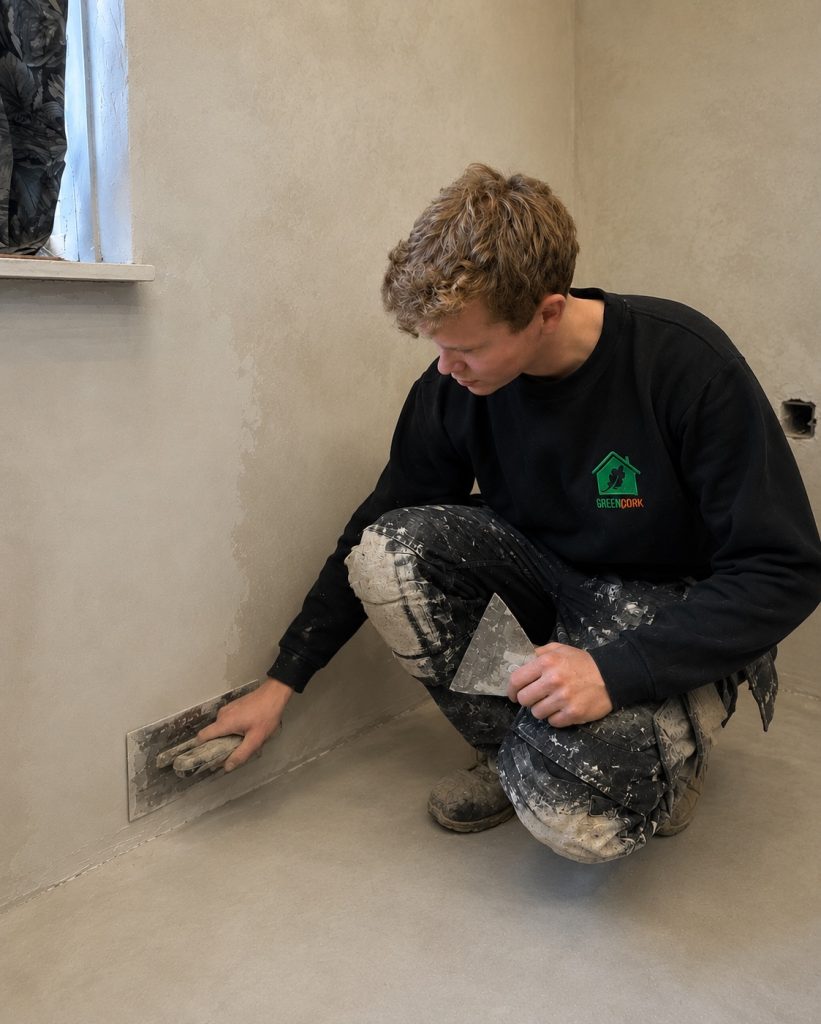
Quick Answer: Yes, microcement can usually be applied over existing tiles if the surface underneath is stable, dry, clean, and firmly bonded. However, if the tiles are loose, cracked, damp, or affected by failed waterproofing, the surface normally needs repairing or removing first. Many homeowners choose microcement because it creates a seamless modern finish without […]
Will Internal Wall Insulation Cause Damp or Condensation?
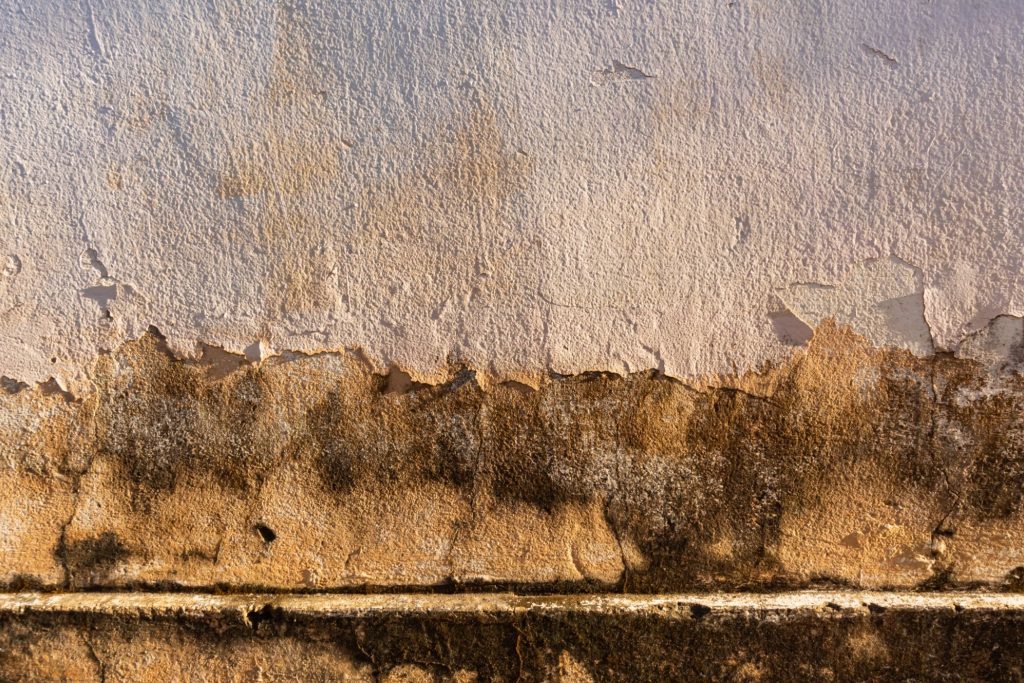
Quick Answer: Internal wall insulation does not cause damp or condensation when designed and installed correctly with proper moisture management and ventilation. Internal wall insulation does not cause damp or condensation when designed and installed correctly with proper moisture management and ventilation. Concerns about internal wall insulation causing damp are common, especially when issues appear […]